

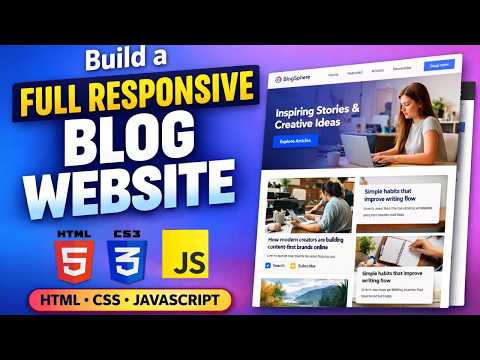
Mastering PSD to HTML Conversion: A Comprehensive Guide for Modern Web Development
The process of converting design files into functional web code remains a cornerstone of professional web development. Whether you are a designer looking to bring your creative vision to life or a business owner aiming to launch a bespoke website, PSD to HTML conversion is the bridge between a static visual concept and an interactive user interface. This methodology involves translating graphic designs—traditionally originating in Adobe Photoshop—into structured HTML5, CSS3, and JavaScript, ensuring that the final output is responsive, accessible, and performant.
In today’s digital landscape, the quality of your code directly influences your search engine rankings and user retention rates. A clean conversion process ensures that the website loads quickly, maintains visual integrity across different screen sizes, and behaves consistently across various browsers. As the web evolves toward a mobile-first philosophy, utilizing expert services like https://cssilize.com helps businesses bridge the gap between complex design aesthetics and efficient, executable code architectures.
Understanding the PSD to HTML Workflow
The conversion process is more than a simple file export; it is a methodical approach to software engineering. It begins with slicing—where designers break down the visual file into reusable elements such as headers, footers, typography blocks, and navigation menus. Once the assets are organized, the developer creates a semantic HTML structure that prioritizes readability and search engine optimization. By focusing on standard-compliant code, developers ensure that screen readers and search engine crawlers can interpret the site effortlessly.
After the skeleton of the site is built using HTML, the next phase involves layering on style using CSS. This is where layouts are solidified using flexbox or grid systems to ensure responsiveness. JavaScript is subsequently implemented to add interactivity, such as drop-down menus, modal popups, and form validations. Maintaining a logical workflow during this transition stage is critical for future scalability, as it allows for easier updates when your business needs change over time.
Key Features of High-Quality Code Conversion
When evaluating the output of a conversion project, certain technical standards must be met to ensure the longevity of the website. Clean code is synonymous with maintainable code; using nested structures that are intuitive allows other developers to step in at a later date without substantial onboarding time. Additionally, modern conversions often incorporate CSS preprocessors like SASS or LESS, which allow for a more modular approach to styling, making it simple to maintain consistent brand colors and typography across dozens of pages.
Cross-browser compatibility remains a vital feature for any web project. Users on Safari, Chrome, Firefox, and Edge all expect a consistent experience, and a professional PSD to HTML conversion addresses these platform-specific rendering differences during the testing phase. Furthermore, implementing robust meta tags and proper heading hierarchy supports high-level SEO performance from the moment of deployment.
The Benefits of Professional Conversion Services
Selecting a professional service for converting design assets offers significant advantages regarding productivity and output quality. Rather than attempting to handle complex coding transitions in-house, business owners can delegate the technical heavy lifting to professionals who understand the nuances of modern web frameworks. This allows the primary stakeholders to focus on content, strategy, and business growth rather than debugging CSS conflicts or script errors.
Another benefit is the precision of execution. Design files often contain subtle details like specific letter spacing, border radii, or complex gradients that are easy to overlook in manual development. Experienced agencies utilize specialized tools and established workflows to ensure that the final HTML matches the original pixel-perfect intent of the designer, resulting in a cohesive brand presentation that resonates with visitors.
Use Cases: When to Convert Design Files
There are several scenarios where converting a design file proves essential for business operations. Companies undergoing a rebranding effort often have new UI mockups that need to be transitioned into a live production environment quickly. Similarly, startups preparing for a product launch may have unique landing page requirements that cannot be satisfied by generic website templates, necessitating a custom-coded approach to ensure a competitive edge.
| Use Case | Primary Goal | Technical Focus |
|---|---|---|
| Brand Redesign | Visual consistency | High-fidelity CSS |
| Landing Pages | High conversion rate | Speed and interactivity |
| E-commerce | Product presentation | Mobile responsiveness |
| Custom Dashboards | Data management | JavaScript integration |
Scalability and Integration Strategies
A website is rarely a static entity; successful platforms are designed to evolve alongside the business. Scalability in PSD to HTML conversion means constructing the site so that new sections, additional products, or complex features can be added via API integrations without breaking existing layouts. By utilizing clean, modular components, you can ensure that the core codebase remains flexible and easy to extend as your functional requirements expand.
Integration with existing infrastructure is also a critical consideration. Whether you are connecting your frontend to a headless CMS, a CRM, or custom back-end databases, the HTML structure must be ready to receive data payloads. This forward-thinking approach to development ensures that your website acts as a robust pillar for your wider business technology ecosystem rather than a technical bottleneck.
Security and Reliability Considerations
Security is a non-negotiable factor in modern web development. When converting PSD files to functional code, the developer must implement best practices to prevent common vulnerabilities, such as Cross-Site Scripting (XSS) or insecure form handling. Ensuring that user input is sanitized and that the site utilizes secure server configurations from the outset builds a foundation of trust with your audience.
Reliability also encompasses performance metrics. A conversion that produces bloated or redundant code will lead to slow load times, which can negatively impact both user experience and search engine rankings. By prioritizing lightweight, efficient code, you ensure that your platform remains available and responsive even under heavy traffic, providing a seamless experience for every visitor who interacts with your digital presence.
Best Practices for Successful Execution
To ensure a smooth transition from design to code, clear communication is essential. Before beginning, ensure that your design files are well-organized, with layers grouped logically and assets clearly defined. Using naming conventions for variables and classes consistently throughout the project will significantly reduce the time required for testing and maintenance later on.
- Provide comprehensive design documentation including font styles and color palettes.
- Test early and often using various mobile and desktop viewing environments.
- Prioritize semantic HTML for better accessibility and SEO performance.
- Focus on a mobile-first design strategy to accommodate the majority of web traffic.
- Establish clear deadlines for development milestones and beta reviews.
By following these best practices, you can maximize the efficiency of your project and ensure the final output is a high-functioning asset that drives your business forward. A well-executed conversion is an ongoing investment in your digital identity, providing the stability and aesthetics necessary for long-term success in a crowded online marketplace.